Content Optimization: The Key to Driving Traffic in 2026

Content Optimization: The Key to Driving Traffic in 2026
In the ever-evolving landscape of digital marketing, content optimization has emerged as the most measured quality signal linked to traffic. As we step into 2026, understanding and implementing effective content optimization strategies is crucial for businesses aiming to enhance their online presence and drive significant traffic to their websites.
Understanding Content Optimization
Content optimization involves refining and enhancing your content to make it more attractive to search engines and users alike. It's not just about stuffing keywords; it's about creating high-quality, relevant, and engaging content that meets the needs of your audience.
The Importance of Content Optimization
Content optimization is essential for several reasons:
- Improved Search Engine Rankings: Optimized content ranks higher in search engine results pages (SERPs), making it more visible to potential visitors.
- Enhanced User Experience: Well-optimized content is easier to read and more engaging, leading to a better user experience.
- Increased Traffic: Higher rankings and better user experience translate to increased organic traffic.
- Higher Conversion Rates: Optimized content is more likely to convert visitors into customers.
Key Strategies for Content Optimization in 2026
1. Keyword Research and Implementation
Keyword research remains the cornerstone of content optimization. Identifying the right keywords and strategically placing them in your content can significantly boost your SEO efforts.
- Use Long-Tail Keywords: Long-tail keywords are more specific and less competitive, making them easier to rank for.
- Focus on User Intent: Understand what your audience is searching for and tailor your content to meet their needs.
- Leverage AI Tools: Tools like PepperInsight.com can help you identify trending keywords and optimize your content accordingly.
2. High-Quality, Engaging Content
Creating high-quality, engaging content is crucial for keeping your audience interested and encouraging them to spend more time on your site.
- Write for Your Audience: Understand your audience's pain points and address them in your content.
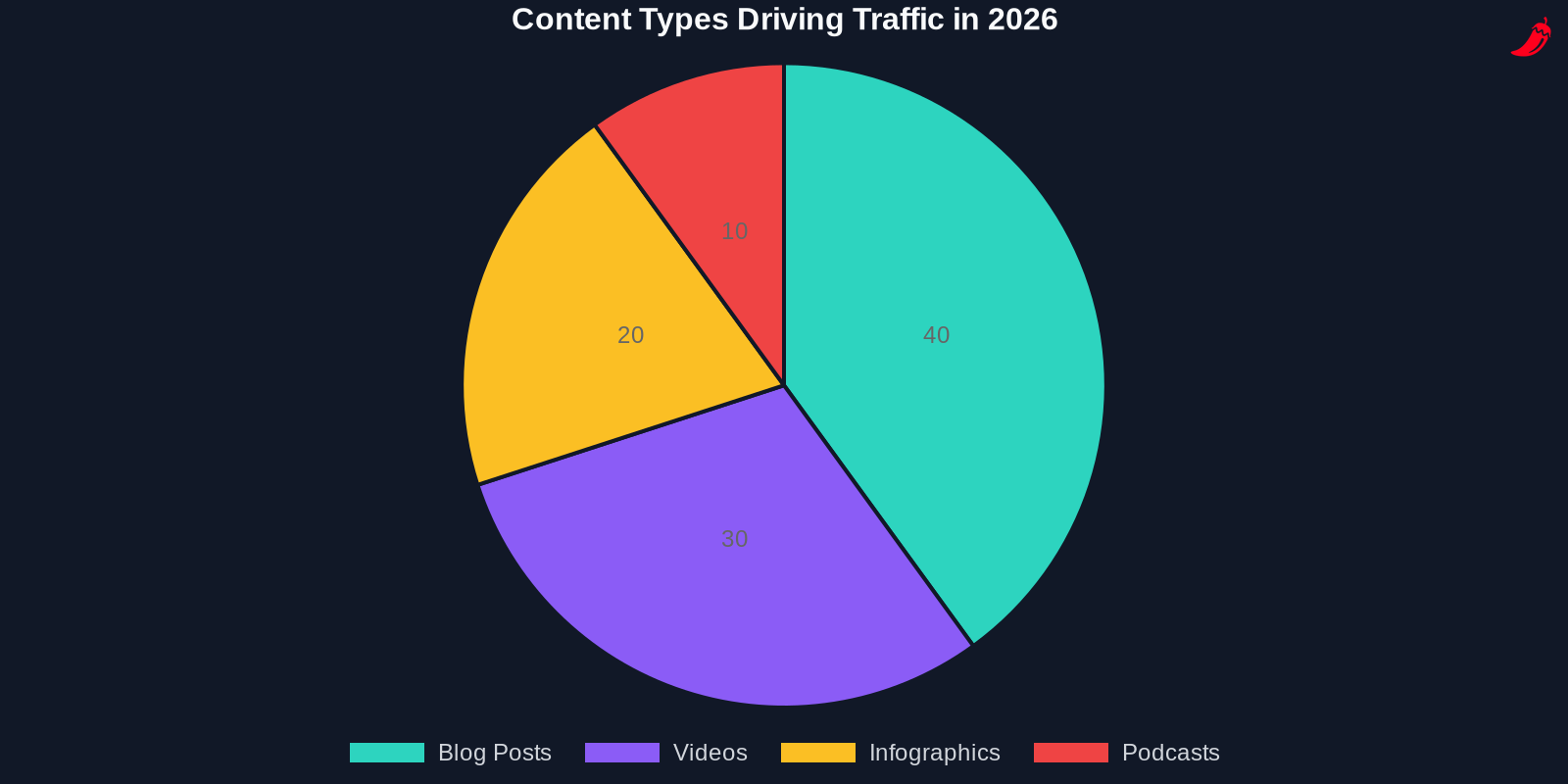
- Use Visuals: Incorporate images, videos, and infographics to make your content more engaging.
- Keep It Readable: Use short paragraphs, bullet points, and subheadings to make your content easy to scan.
Content optimization is not just about search engines; it's about creating content that resonates with your audience and meets their needs.
3. On-Page SEO Techniques
On-page SEO techniques are essential for making your content more attractive to search engines.
- Optimize Meta Tags: Ensure your title tags, meta descriptions, and header tags are optimized with relevant keywords.
- Use Internal Linking: Link to other relevant pages on your site to keep users engaged and improve your site's SEO.
- Optimize Images: Use descriptive file names and alt text for your images to improve their visibility in search results.
Measuring the Impact of Content Optimization
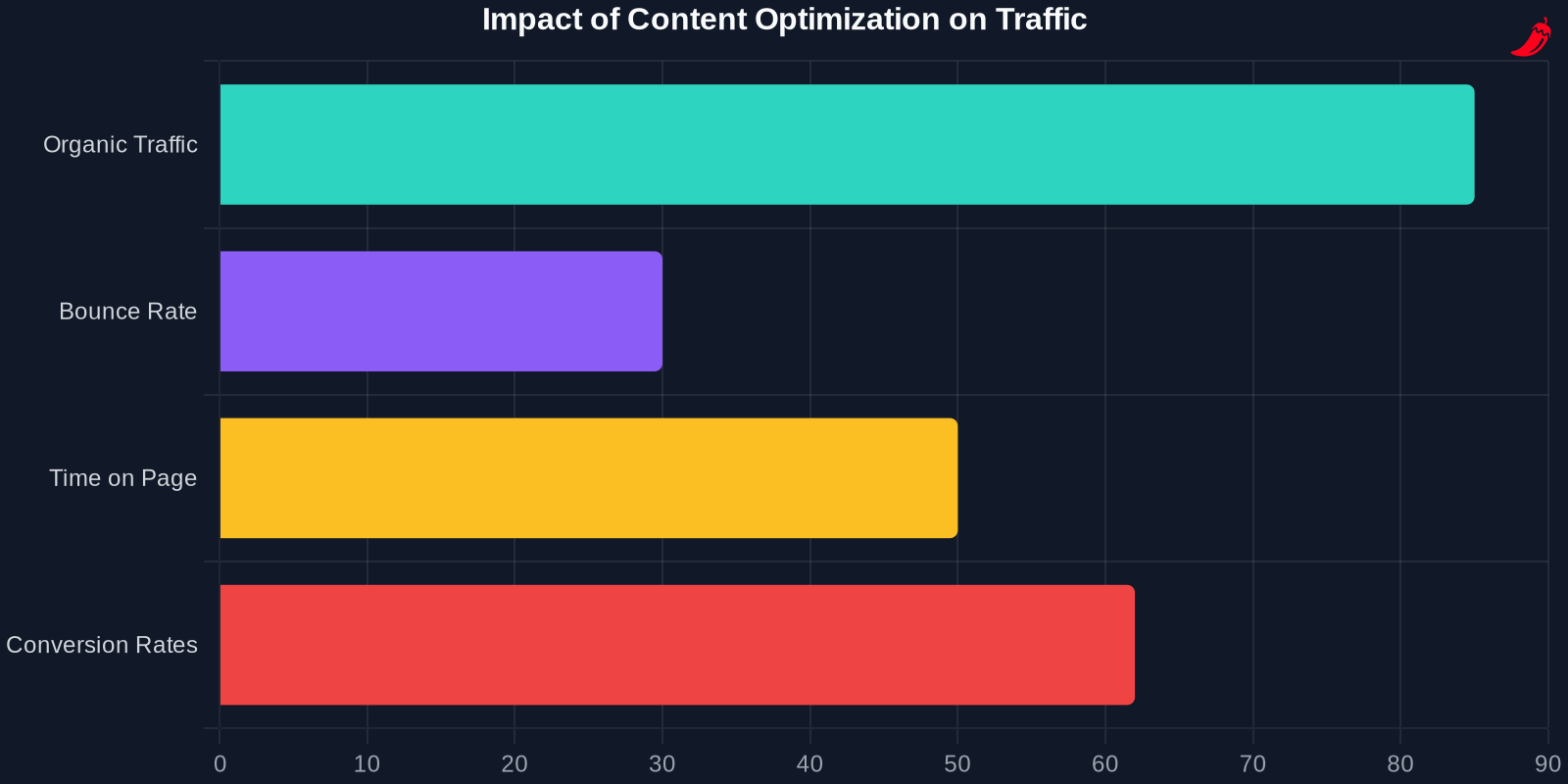
Measuring the impact of your content optimization efforts is crucial for understanding what's working and what needs improvement.
Key Metrics to Track
- Organic Traffic: Monitor the number of visitors coming to your site through organic search.
- Bounce Rate: Track the percentage of visitors who leave your site after viewing only one page.
- Time on Page: Measure how long visitors spend on your pages.
- Conversion Rates: Track the percentage of visitors who take a desired action on your site.
Tools for Measuring Content Optimization
- Google Analytics: Provides comprehensive data on your site's performance.
- SEMrush: Offers tools for keyword research, site audits, and competitor analysis.
- PepperInsight.com: Scans millions of news articles daily to extract qualified leads and generate personalized outreach messages, helping you optimize your content strategy.
Common Mistakes to Avoid
While content optimization is crucial, there are common mistakes that businesses often make.
1. Keyword Stuffing
Keyword stuffing involves overloading your content with keywords in an attempt to manipulate search engine rankings. This practice can lead to penalties from search engines and a poor user experience.
2. Ignoring User Intent
Failing to understand and address user intent can result in content that doesn't meet the needs of your audience. Always focus on creating content that provides value and answers your audience's questions.
3. Neglecting Mobile Optimization
With the increasing use of mobile devices, neglecting mobile optimization can significantly impact your site's performance. Ensure your site is mobile-friendly and provides a seamless user experience across all devices.
Case Studies: Success Stories in Content Optimization
Case Study 1: E-commerce Store
An e-commerce store specializing in organic products saw a 45% increase in organic traffic after implementing a comprehensive content optimization strategy. By focusing on long-tail keywords, improving their on-page SEO, and creating high-quality blog content, they were able to significantly boost their search engine rankings and drive more traffic to their site.
Case Study 2: SaaS Company
A SaaS company providing project management tools experienced a 35% increase in conversion rates after optimizing their content. By leveraging AI tools for keyword research and creating engaging, user-focused content, they were able to attract more qualified leads and improve their overall SEO performance.
Future Trends in Content Optimization
1. AI and Machine Learning
AI and machine learning are becoming increasingly important in content optimization. These technologies can help businesses identify trending keywords, analyze user behavior, and create personalized content that resonates with their audience.
2. Voice Search Optimization
With the rise of voice assistants like Siri and Alexa, optimizing your content for voice search is becoming more important. Focus on natural language and long-tail keywords to improve your chances of appearing in voice search results.
3. Video Content
Video content is becoming more popular and can significantly enhance your content optimization efforts. Incorporate videos into your content strategy to engage your audience and improve your SEO performance.
Conclusion
Content optimization is a critical component of any successful SEO strategy. By focusing on keyword research, creating high-quality content, and leveraging on-page SEO techniques, businesses can significantly boost their search engine rankings, drive more traffic to their sites, and improve their overall online presence.
As we move into 2026, staying ahead of the latest trends and continuously measuring and refining your content optimization efforts will be key to achieving long-term success.