GTM Stock Crash Analysis: Understanding the Downgrades and Growth Challenges

GTM Stock Crash: Analyzing the Record Lows and Growth Challenges
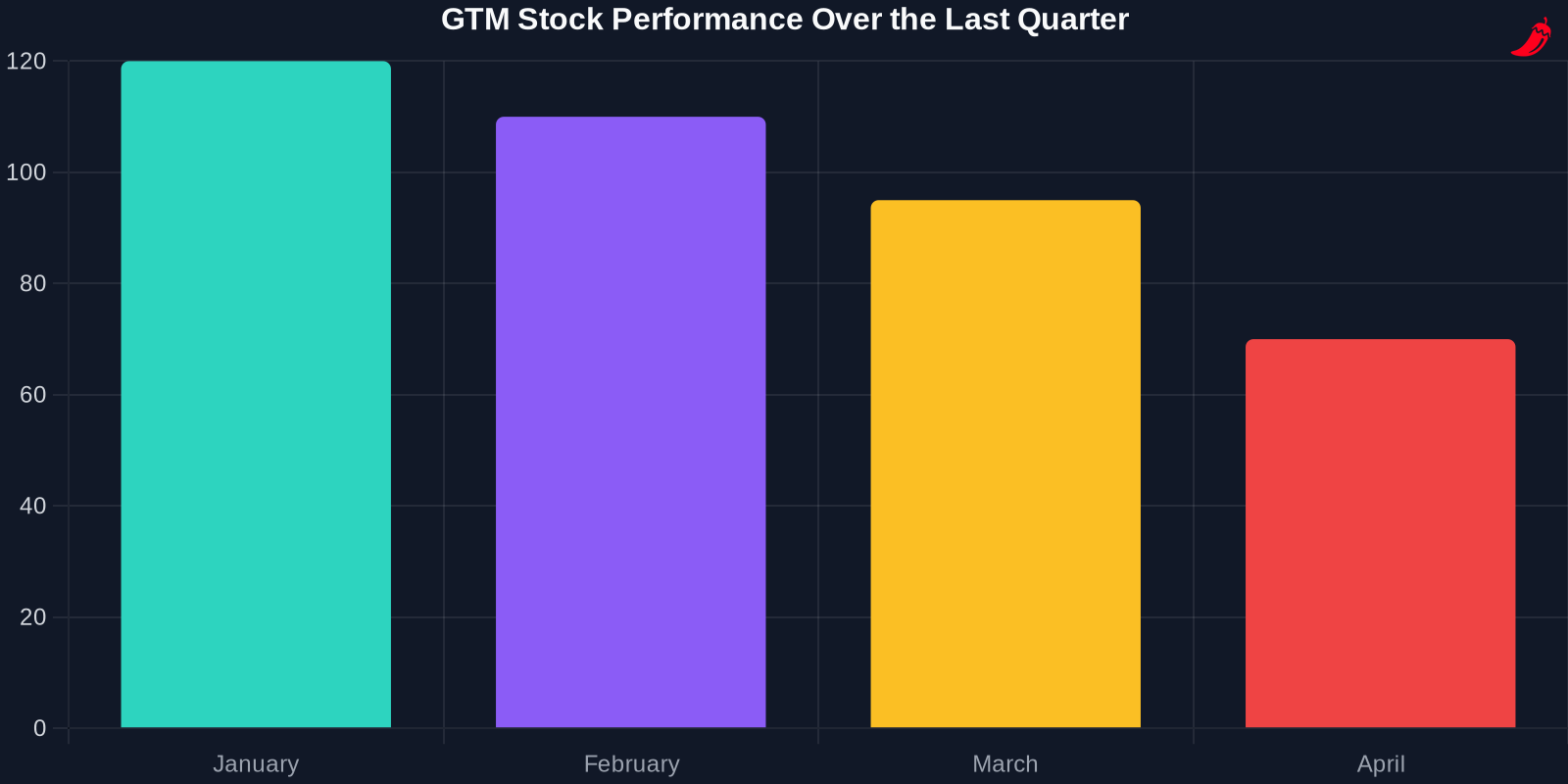
The recent crash of GTM stock to record lows has sent shockwaves through the investment community. Shares of ZoomInfo Technologies (GTM) experienced a significant decline following multiple analyst downgrades after the company's first-quarter earnings report. This article delves into the reasons behind this crash, the implications for investors, and what the future might hold for GTM.

Understanding the GTM Stock Crash
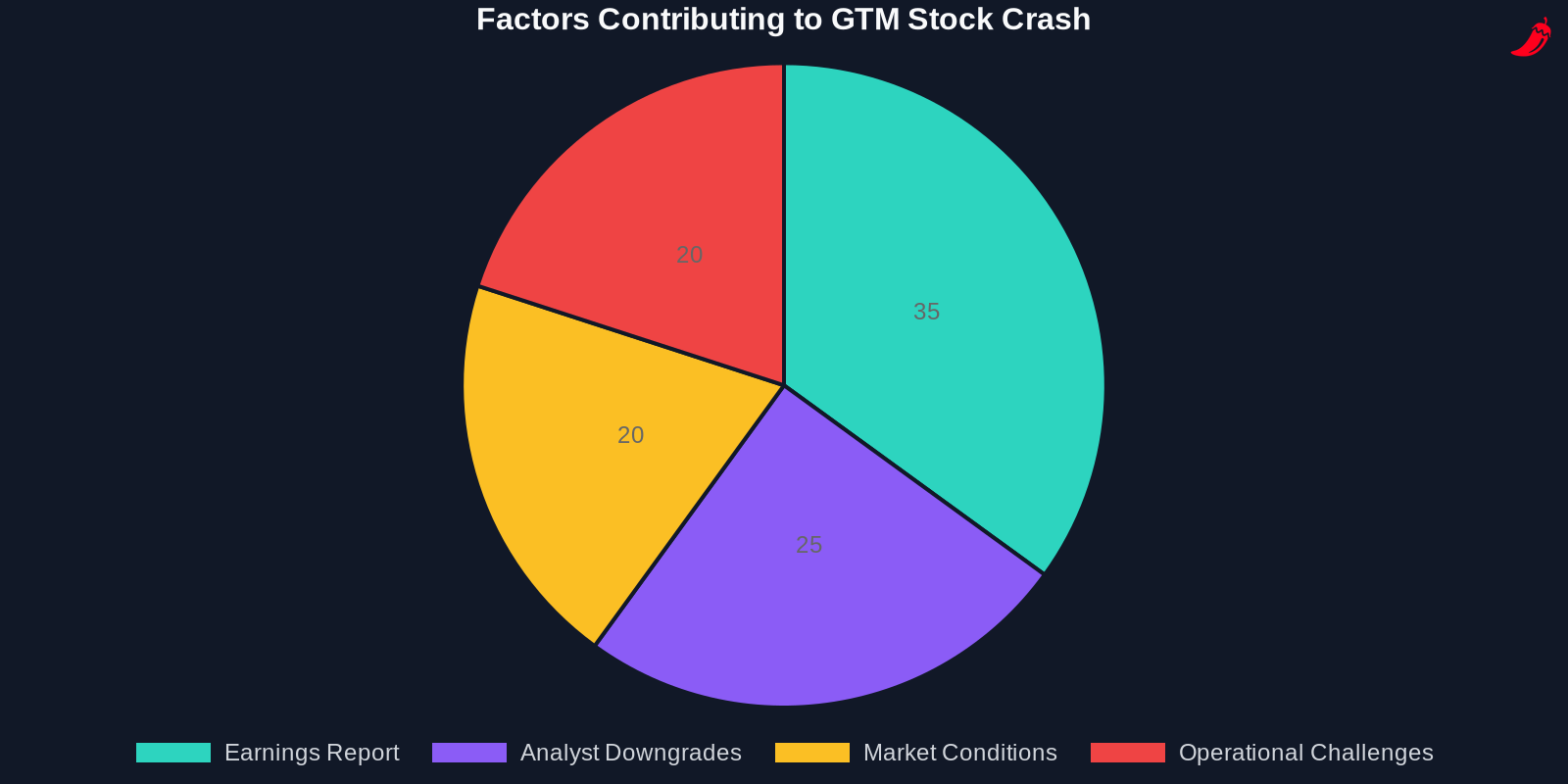
The GTM stock crash can be attributed to several factors, including disappointing earnings reports, multiple analyst downgrades, and broader market conditions. Let's break down these elements to understand the full picture.
Disappointing Earnings Report
GTM's first-quarter earnings report fell short of market expectations. The company reported lower-than-anticipated revenue and earnings per share (EPS), which immediately triggered a sell-off among investors. This disappointing performance raised concerns about the company's growth trajectory and its ability to meet future financial targets.
Multiple Analyst Downgrades
Following the earnings report, several major financial institutions downgraded GTM stock. These downgrades were based on revised growth projections and concerns about the company's ability to sustain its previous growth rates. The downgrades further exacerbated the sell-off, leading to record lows.
Market Conditions and External Factors
The broader market conditions also played a role in the GTM stock crash. Rising interest rates, inflation concerns, and geopolitical tensions have created a volatile market environment. In such conditions, high-growth stocks like GTM are particularly vulnerable to sell-offs.
Rising Interest Rates
The Federal Reserve's decision to raise interest rates has made borrowing more expensive, which can impact companies' growth prospects. Higher interest rates also make bonds and other fixed-income investments more attractive compared to stocks, leading to a shift in investor preferences.
Inflation Concerns
Inflation has been a persistent concern for investors. High inflation erodes purchasing power and can lead to higher costs for companies, impacting their profit margins. GTM, like many other companies, is not immune to these inflationary pressures.
Cracks in the Growth Story
The GTM stock crash has highlighted several cracks in the company's growth story. These include increased competition, market saturation, and operational challenges.
Increased Competition
The market for ZoomInfo's products and services has become increasingly competitive. New entrants and established players are vying for market share, which can impact GTM's ability to grow its customer base and revenue.
Market Saturation
GTM's core markets are showing signs of saturation. As the company reaches a larger portion of its target market, it becomes more challenging to maintain high growth rates. This saturation can lead to slower revenue growth and lower profitability.
Operational Challenges
GTM has also faced operational challenges, including supply chain disruptions and talent shortages. These challenges can impact the company's ability to deliver its products and services efficiently, further affecting its growth prospects.
Investor Sentiment and Future Outlook
The GTM stock crash has significantly impacted investor sentiment. Many investors are now questioning the company's ability to deliver on its growth promises. However, it's essential to consider both the short-term and long-term outlook for GTM.
Short-Term Outlook
In the short term, GTM is likely to face continued pressure from market conditions and investor sentiment. The company will need to address the concerns raised by analysts and demonstrate its ability to navigate the current challenges.
Long-Term Outlook
Despite the current challenges, GTM has several strengths that could support its long-term growth. These include a strong customer base, a robust product portfolio, and a track record of innovation. If the company can address its current operational and market challenges, it may be well-positioned for future growth.
While the current market conditions are challenging, companies like GTM that can adapt and innovate are likely to emerge stronger in the long run.
Key Takeaways
Conclusion and Call-to-Action
The GTM stock crash serves as a reminder of the volatility and challenges inherent in the stock market. While the current outlook may seem bleak, it's essential for investors to stay informed and consider both the risks and opportunities.
For more insights and analysis on stock market trends and investment opportunities, visit PepperInsight.com. Our platform scans over 1 million news articles daily across 40 countries, extracting qualified leads and generating personalized outreach messages with AI precision.

Stay informed, stay strategic, and make data-driven investment decisions with PepperInsight.com.